Family
The family's role: between guardianship and neglect
A marriage decision can go wrong in two opposite ways: your family deciding for you, or you deciding alone as if they did not exist. The first takes away your decision; the second takes away support you will need the day things get hard. Between the two lies a path you can mark out clearly.
The Qadrna team · · 4 min read
Why the family's role matters at all
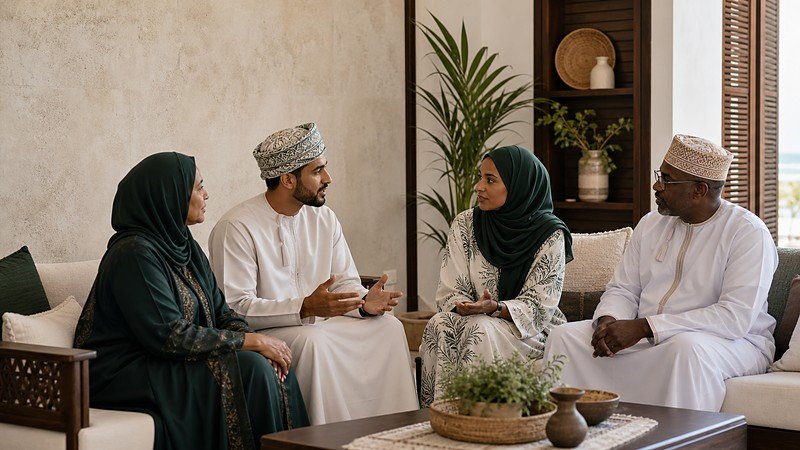
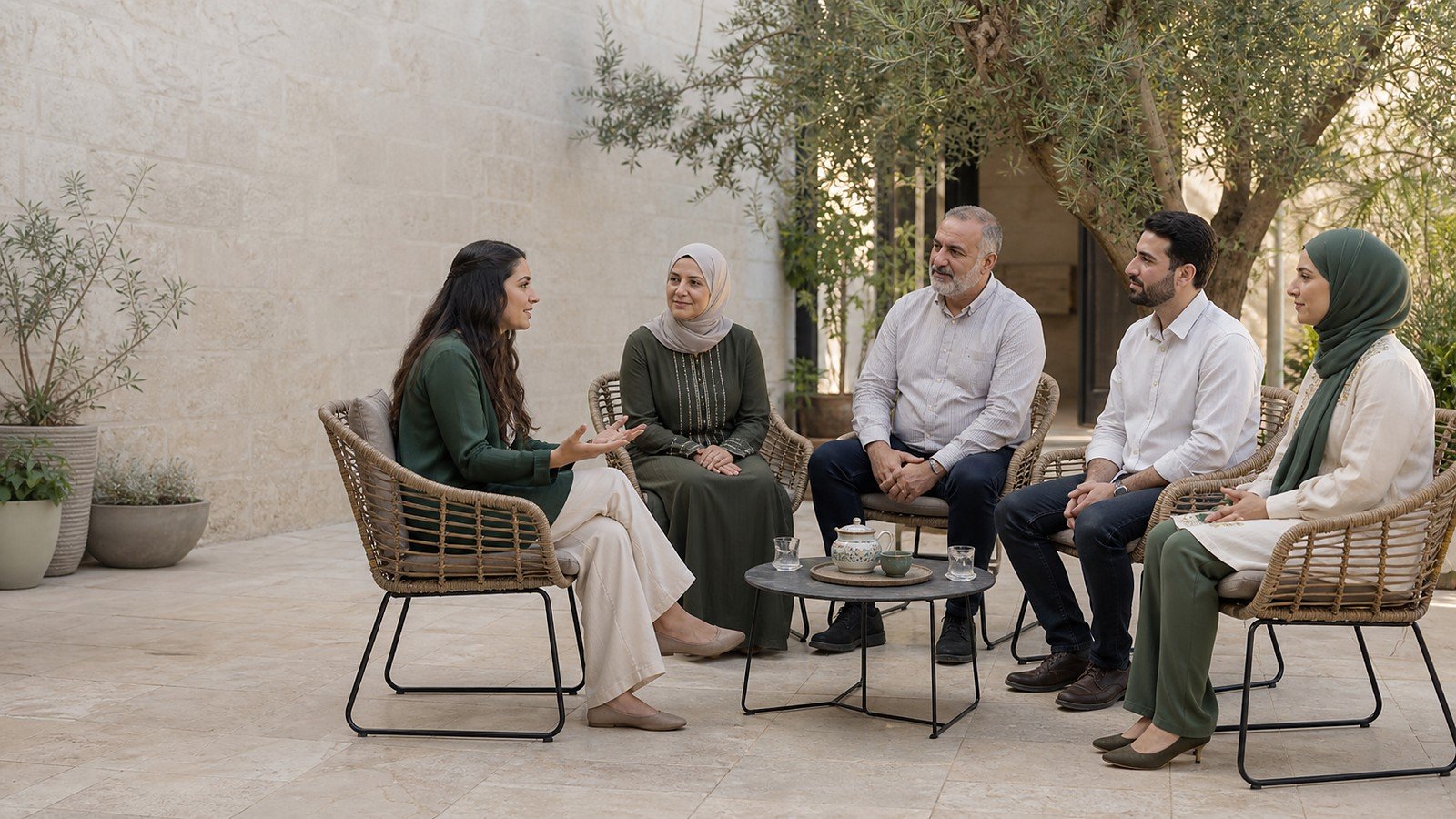
In our communities marriage is not only an agreement between two people but the meeting of two families. Your family sees what you may miss in the moment of attraction: experience of people, knowledge of families, and an ability to read what lies behind polite words. They are also the ones who will stand with you when the real test comes, years from now.
But families have their own fears and preferences: the family name, status, living close by, and sometimes dreams they never realised themselves. Not every objection they raise is wisdom, and not every blessing they give is insight.
Guardianship: when the decision becomes theirs
The signs are clear. You are only introduced to people they have chosen; the person you choose is refused without a stated reason; you are pushed to decide quickly before "the chance is lost"; and hesitation is treated as disobedience.
A marriage built on this may last, but it carries a hidden weight: every later disagreement becomes "you are the ones who chose", and every problem is laid on whoever imposed the decision rather than on those living it.
Neglect: deciding as if they were not there
At the other extreme is the person who hides an engagement from their family until it is done, or presents it to them once it is final. It may be a reaction to past control, but it creates a new problem: a spouse entering a family that neither knows nor trusts them, and a home that begins its life in a quarrel.
Families included at the start interfere less at the end.
Partnership: involving them without handing over the decision
Involve them early, not late. Tell them you are seriously looking, and what qualities matter to you, before any particular person appears. That way the criteria are discussed rather than the person — and a discussion about criteria is far calmer.
Ask for reasons, not approval. "What worries you about this?" opens a conversation; "Do you agree?" closes it with a yes or a no. And take a specific concern seriously: if they say a family has a known problem, check it rather than dismissing it because it came from them.
Separate advice from decision. Say plainly: "I want your view because it matters to me, and the decision in the end is mine." Said with respect, that sentence protects both their standing and your right.
Bring them in at the right time. The first meeting between the two families has its moment: once seriousness and basic compatibility are established — not before, and not after everything is already settled.
When the family says no
Refusals come in three kinds, and each needs a different response.
A known and serious reason — a fundamental religious difference, or established bad character — deserves an honest pause.
A known reason that can be discussed — a financial gap, distance, a different country — is handled through conversation and time, and by letting them meet the person rather than the idea of them.
No reason given — here, do not escalate. Ask for the reason to be named, and bring in an elder they trust to mediate.
In every case, religious questions of guardianship and consent should be taken to scholars you trust, not settled by individual judgement in the middle of a dispute.
After the wedding: boundaries start before it
Most conflicts between couples and their families do not begin after the contract; they begin with habits allowed before it. Someone who shares every detail with their family during the engagement will struggle to close that door once married.
Someone who agrees boundaries with their spouse early — what is shared with family and what stays between the two of you — builds a home with a door that opens and closes, not a corridor everyone passes through.